Assam Bengal Navigation is an Indo-British family company — the Phookans in India, the Brocks in England. But the story does not begin with us. It begins with the rivers, and with the people who have always moved along them.
The four of them
Foundation
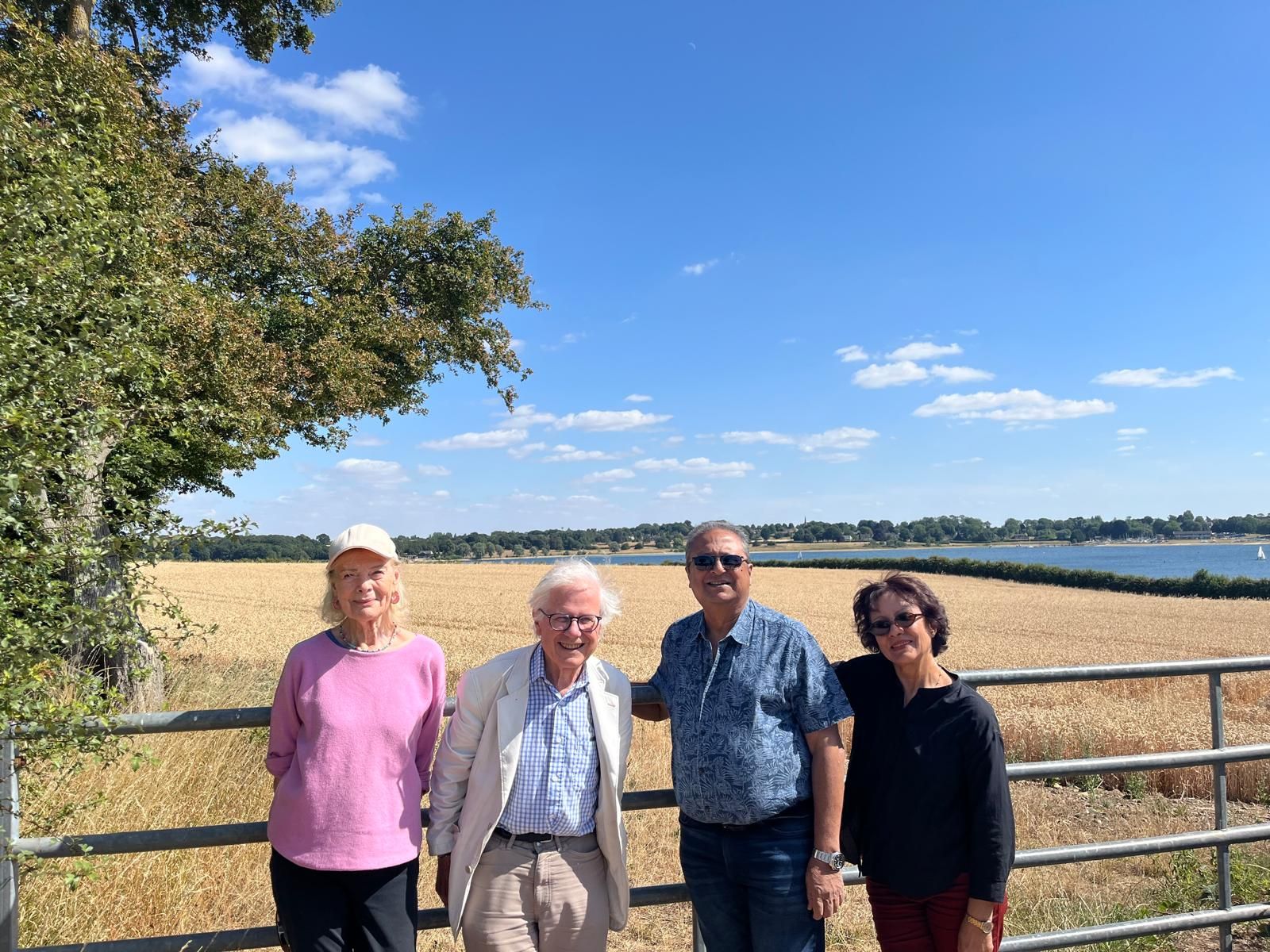
Founded in 2002, sailing since 2003. The four people who started the company still own it.
The timeline
From a Glasgow shipyard to a family company
Fifteen moments across a hundred and sixty years, in three eras — from a Clyde shipyard, through a partition and a national park, to the company as it stands today.
I
Steam and empire
Two families who had not yet met were, separately, already in the business of moving people up rivers.
1865 — 1880s
1865Steam and empire
The largest river fleet the world has ever seen
In Glasgow, the Irrawaddy Flotilla Company is formed to carry troops, mail and cargo on Burma’s great river. It begins with four steamers. At its height between the wars it runs more than six hundred vessels and carries some nine million passengers a year.
Andrew Brock’s grandfather sits on its board.
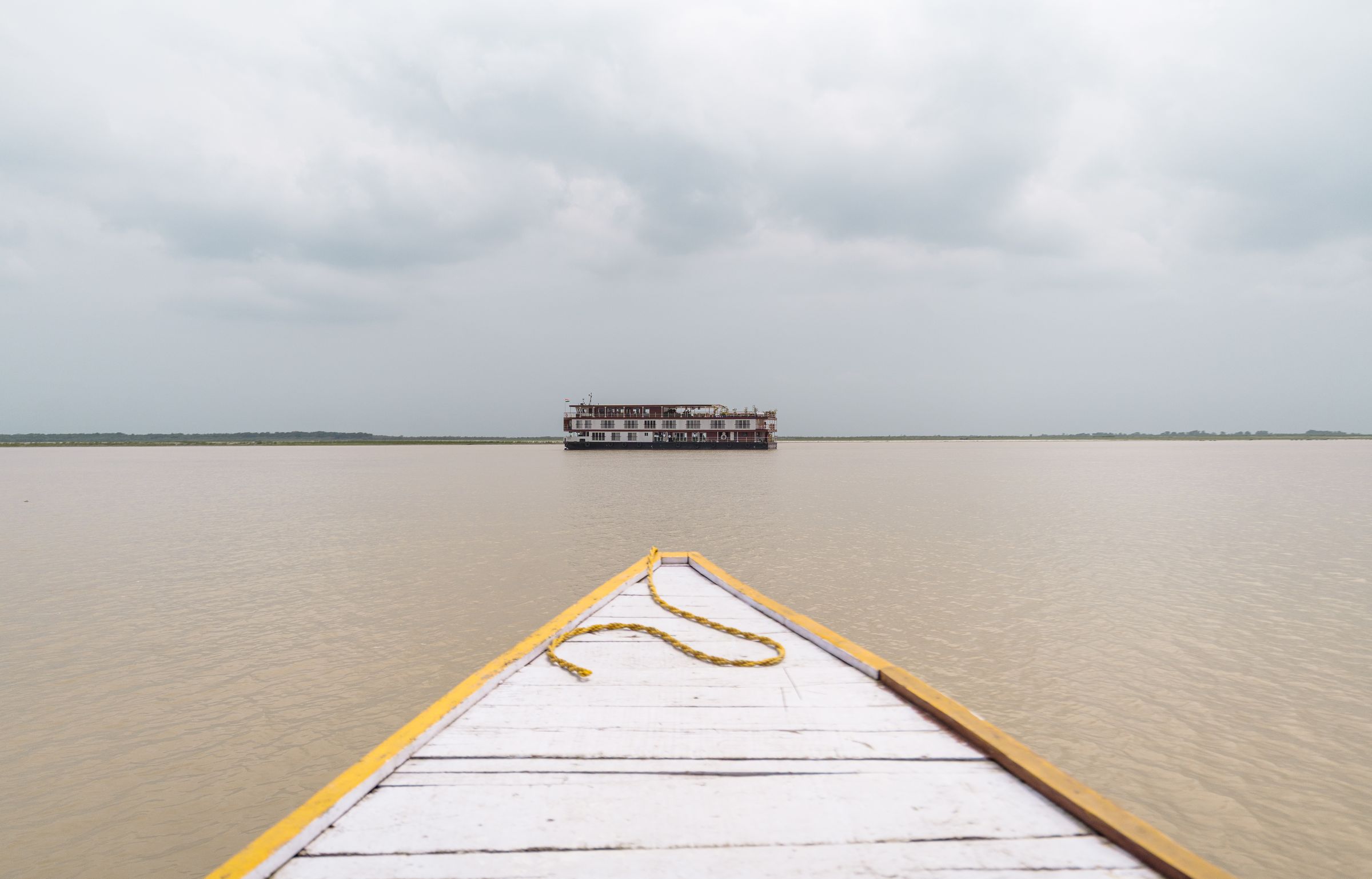
A country boat under sail today
1880sSteam and empire
Dennys of Dumbarton
On the Clyde, William Denny & Brothers builds paddle steamers for the rivers of the East — hundreds of them, shipped out in pieces and riveted together on Indian banks. Another of Andrew’s forebears runs the yard.
The Brahmaputra and the Ganges are, quite literally, in the family.
A country ferry on the river today
II
Two rivers, two families
A viceroy’s wife, a partition, a national park and two small travel companies — the pieces assembling without anyone intending it.
1905 — 1989
1905Two rivers, two families
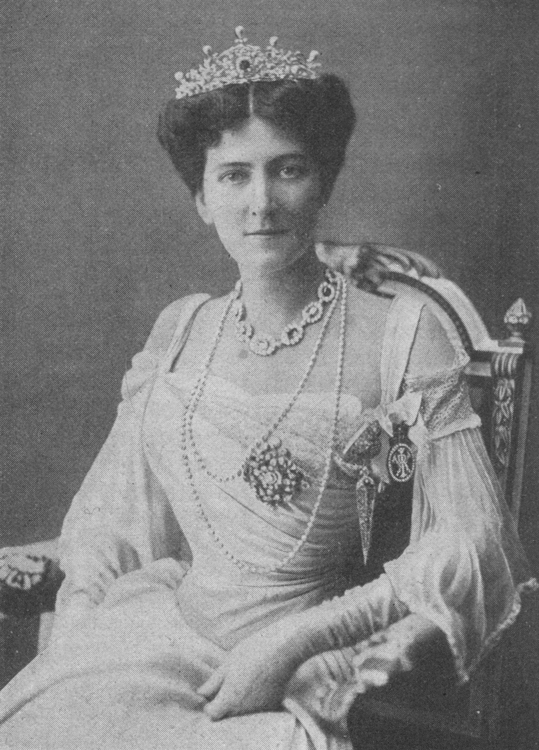
A viceroy’s wife saves a species
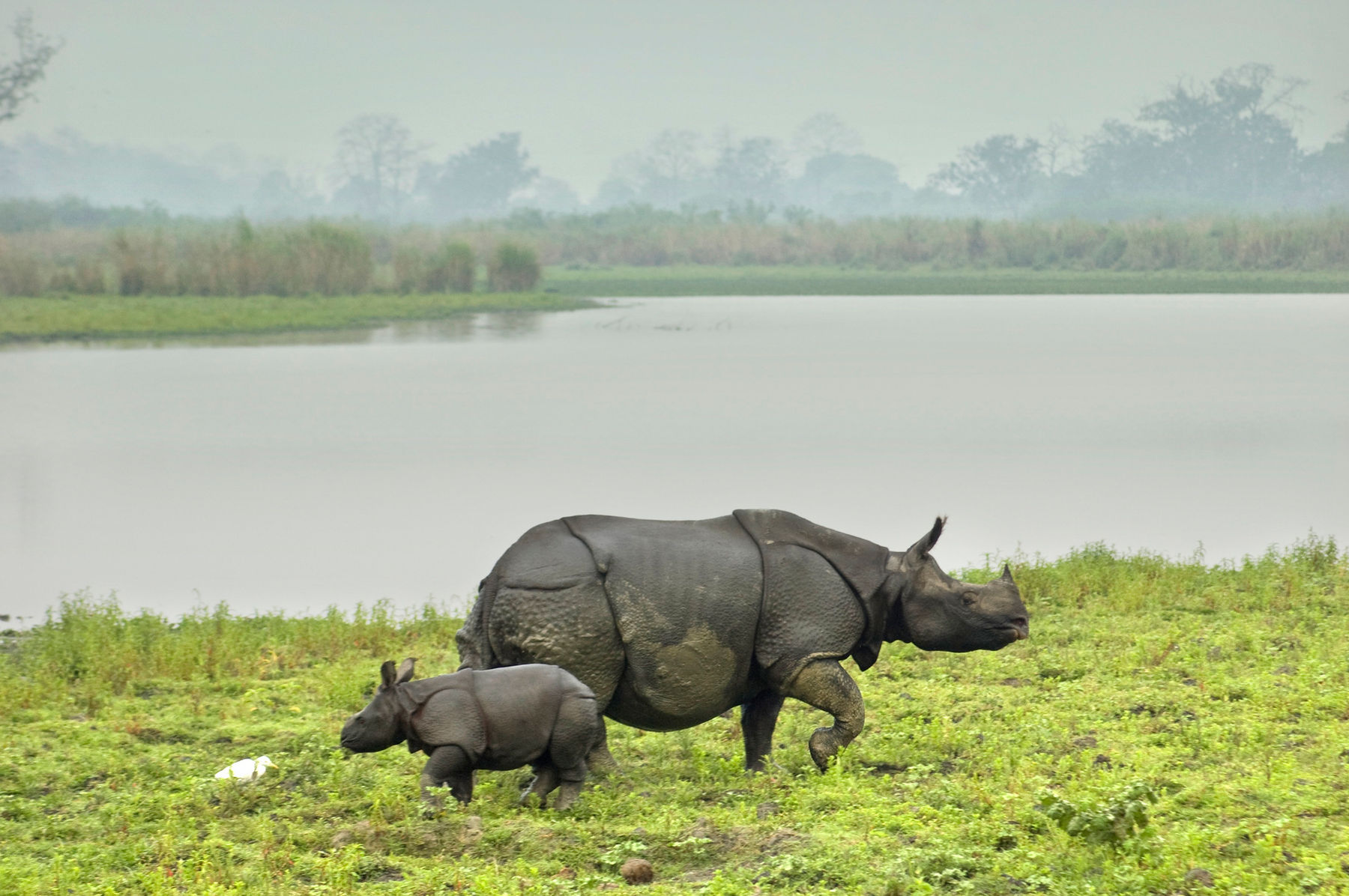
Mary Curzon travels to Assam hoping to see the great one-horned rhinoceros, and sees none at all. She persuades her husband to act. On 1 June the Kaziranga Proposed Reserve Forest is created — two hundred and thirty-two square kilometres of floodplain.
Today it holds roughly seventy per cent of the world’s one-horned rhino.
Mary Curzon, Baroness Curzon of Kedleston
1947Two rivers, two families
Partition, and the closing of the river
Independence comes, and with it a line drawn across the map. The Brahmaputra’s ancient trading route down to Calcutta now crosses an international border. The steamers stop running.
For the next half-century, India’s greatest river carries almost no one at all.
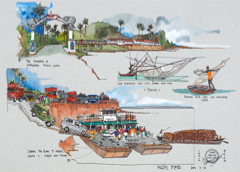
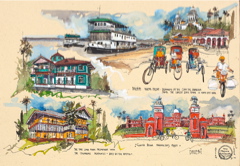
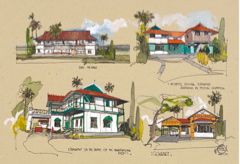
Colonial river stations, Assam and Bengal
1974Two rivers, two families
Kaziranga becomes a national park
Seventy years after Mary Curzon’s intervention, Kaziranga is declared Assam’s first national park. On its northern edge stands a house belonging to the Phookan family.
It is the childhood home of a boy named Ashish. Diphlu River Lodge stands on that ground today.
1981Two rivers, two families
Andrew Brock Travel
After Eton and Oxford, Andrew Brock drives overland to the North-West Frontier on a travel scholarship and never quite comes home. He joins one of Britain’s main tour operators to India, then founds his own company in London and runs it for the next twenty-eight years.
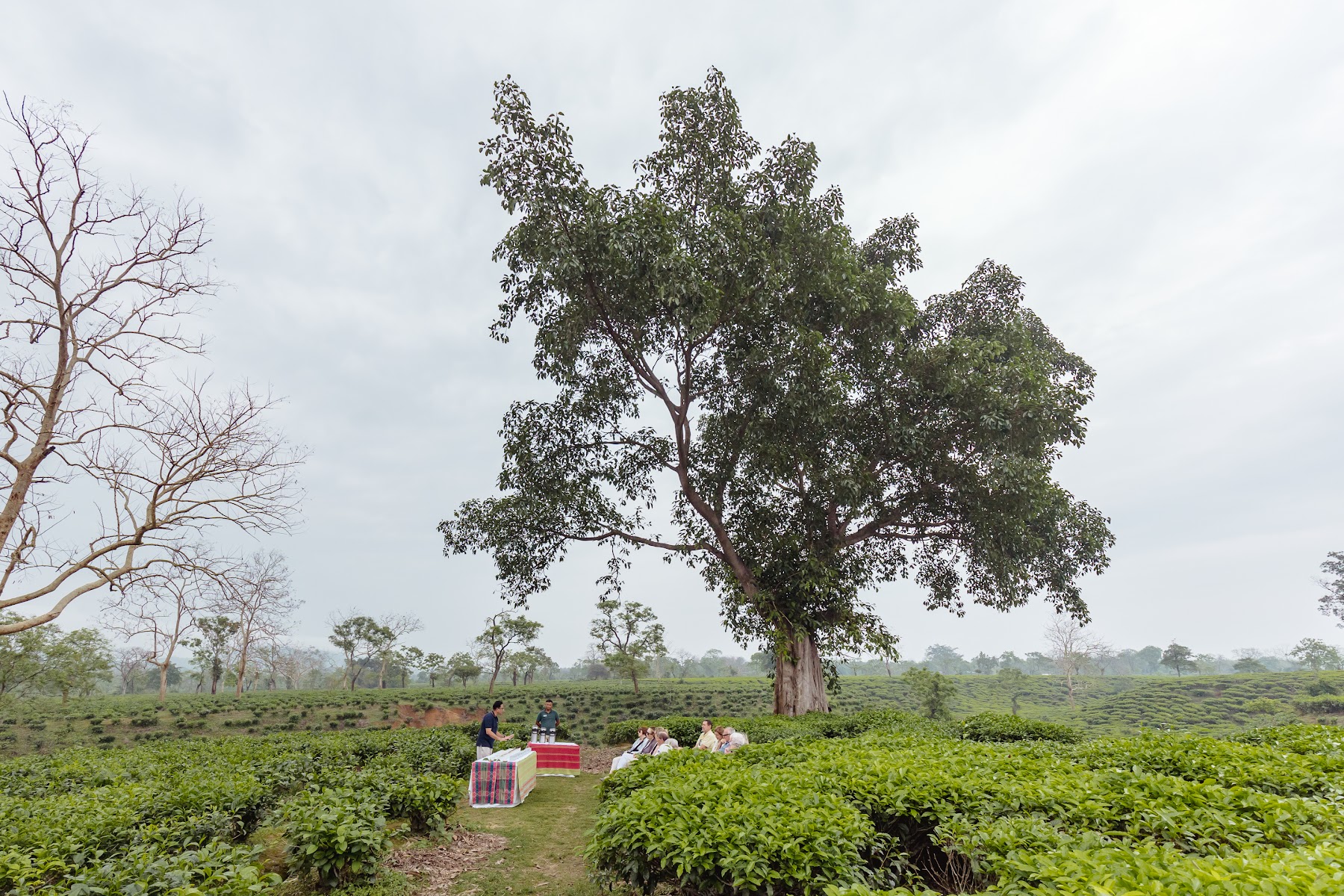
A picnic in a tea garden
1989Two rivers, two families
Jungle Travels India
In Guwahati, Ashish and Jahnabi Phookan found Jungle Travels India. Ashish has come to it by way of the tea trade — a taster in London and in Assam, with his family’s gardens still in his blood. Together they begin opening a corner of India that almost nobody visits.
Tea garden, upper Assam
III
Assam Bengal Navigation
Everything ABN has done belongs to the years since 2001.
2001 — today
2001Assam Bengal Navigation
A meeting of minds
Andrew Brock and Ashish Phookan meet in Guwahati. Neither knows that the other has been quietly turning over the same idea — that it ought to be possible, once again, to travel the length of the Brahmaputra by ship.
“A meeting of minds best describes that first encounter in Guwahati. Neither of us knew the other had been pondering the very same idea.” Ashish Phookan
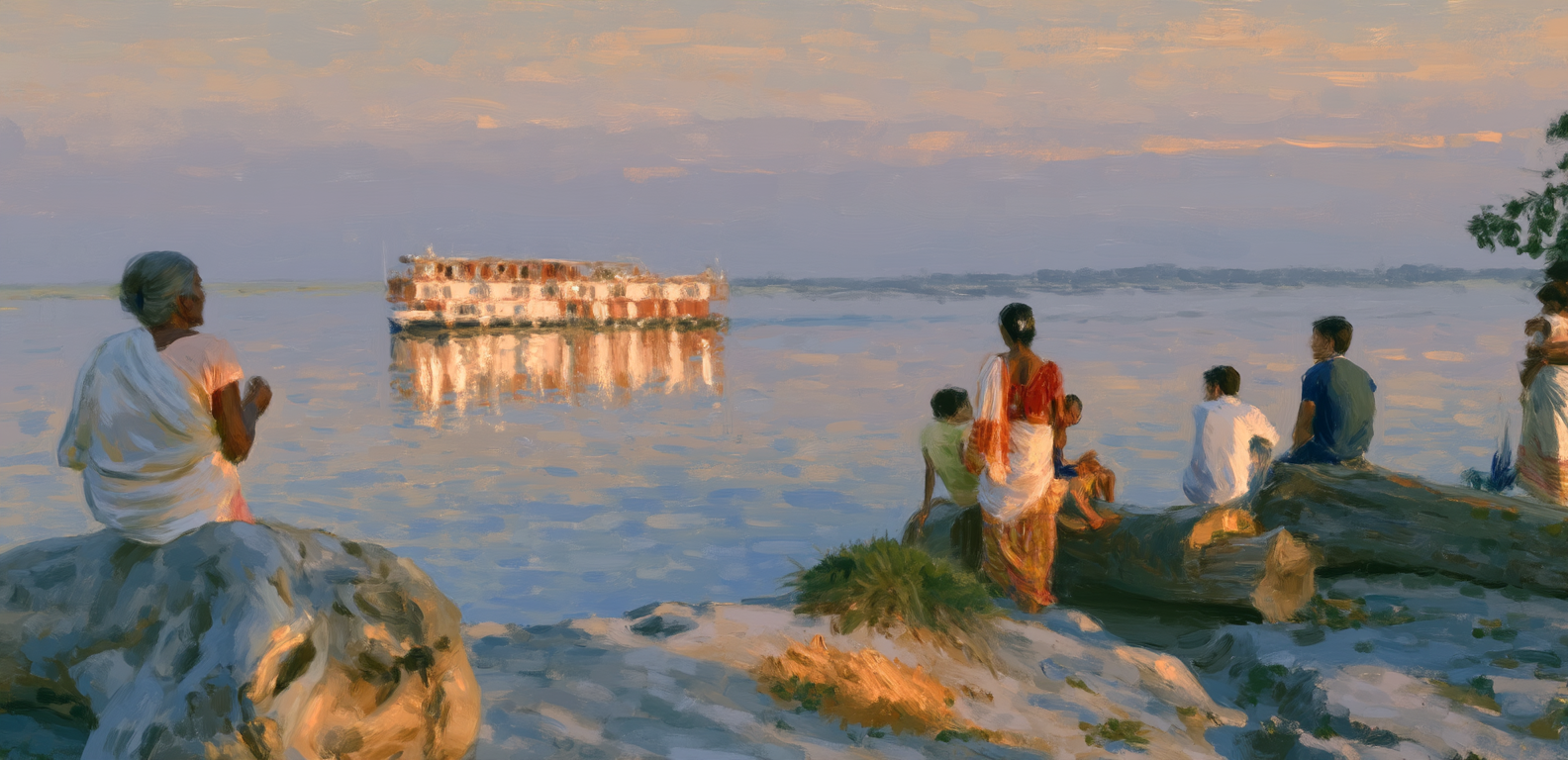
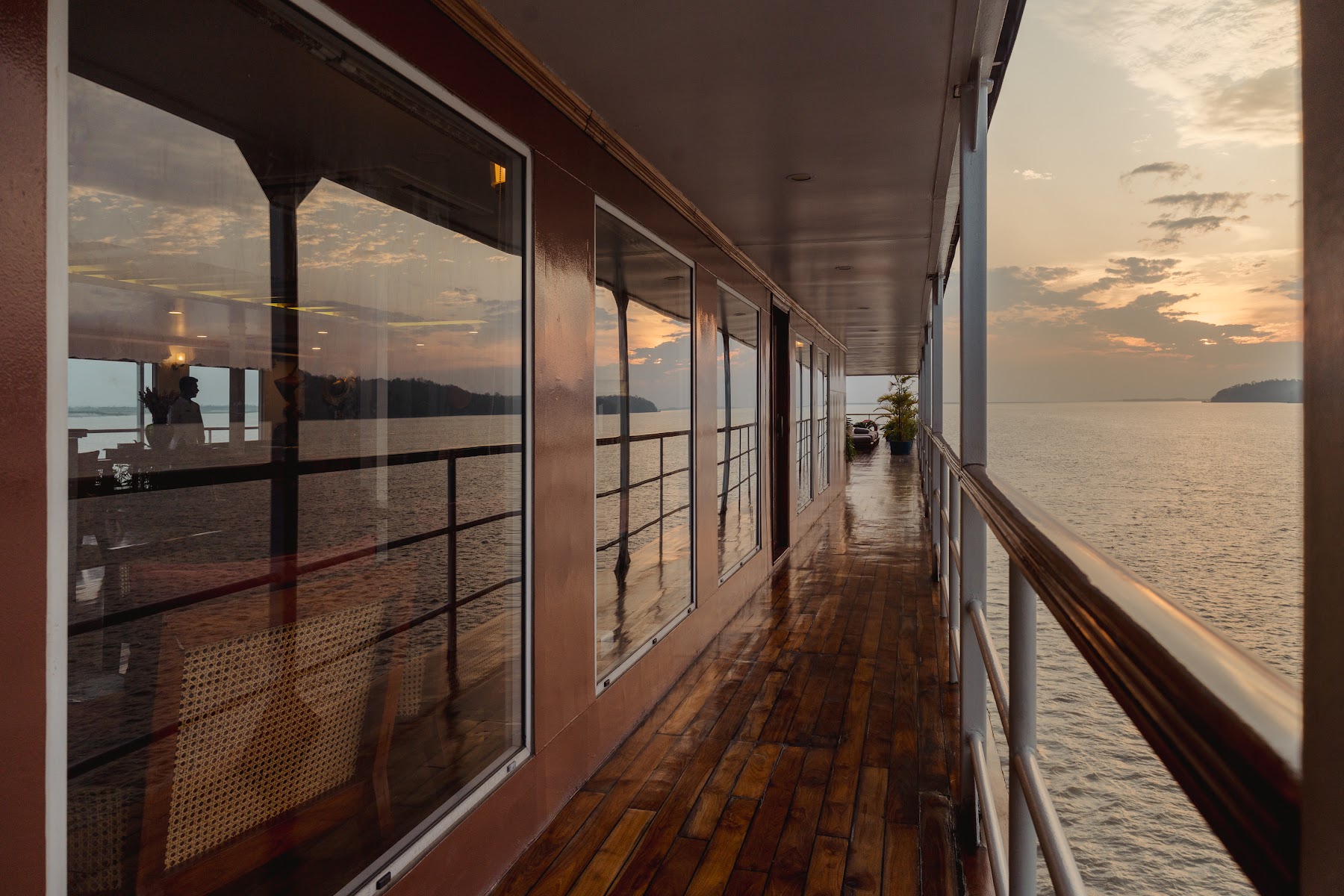
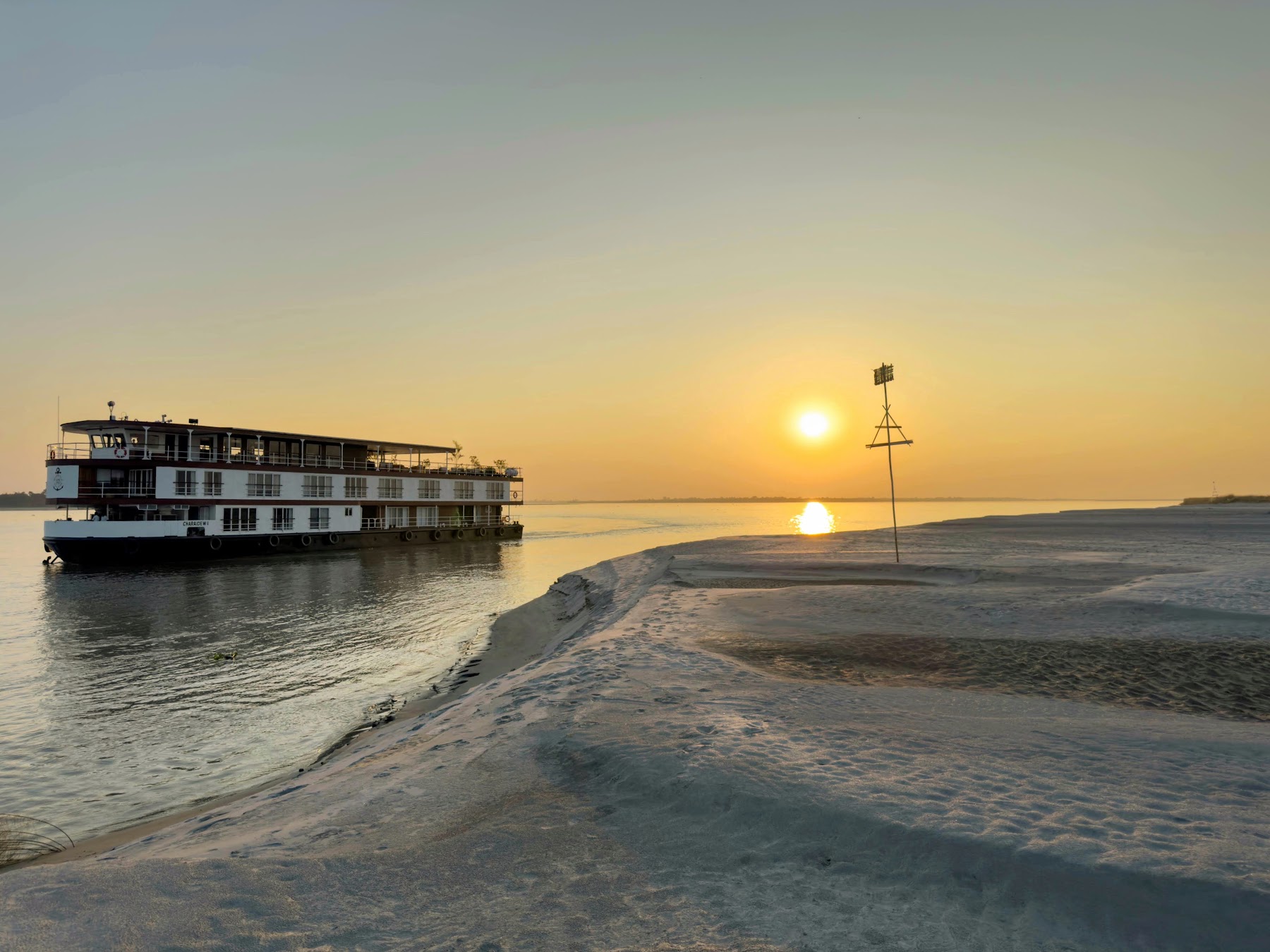
The Brahmaputra at dusk
2002Assam Bengal Navigation
The company is formed
Andrew and Grania Brock and Ashish and Jahnabi Phookan form Assam Bengal Navigation — an Indo-British joint venture, family-owned on both sides. Between them: responsible tourism, an understanding of global markets, and a deep knowledge of East India.
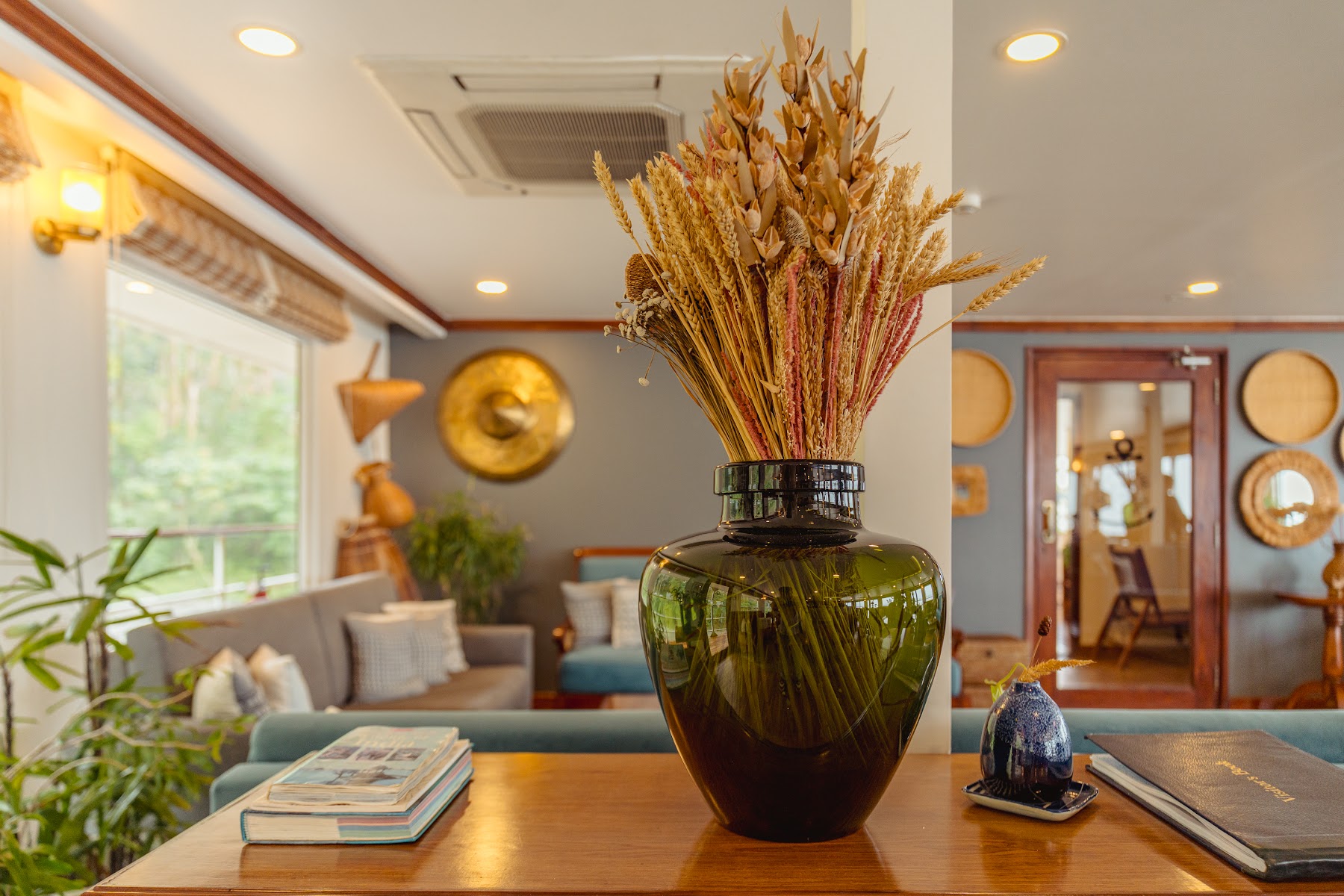
Aboard, the saloon
2003Assam Bengal Navigation
The Brahmaputra reopens
ABN pioneers long-distance river cruising in India. For the first time in over half a century, passengers travel the length of the Brahmaputra by ship — past Kaziranga, the silk villages, the river islands and the tea gardens.
2004–05Assam Bengal Navigation
National recognition
The Government of India awards Assam Bengal Navigation the Indian National Tourism Award for Innovation, for opening river cruising in the country.
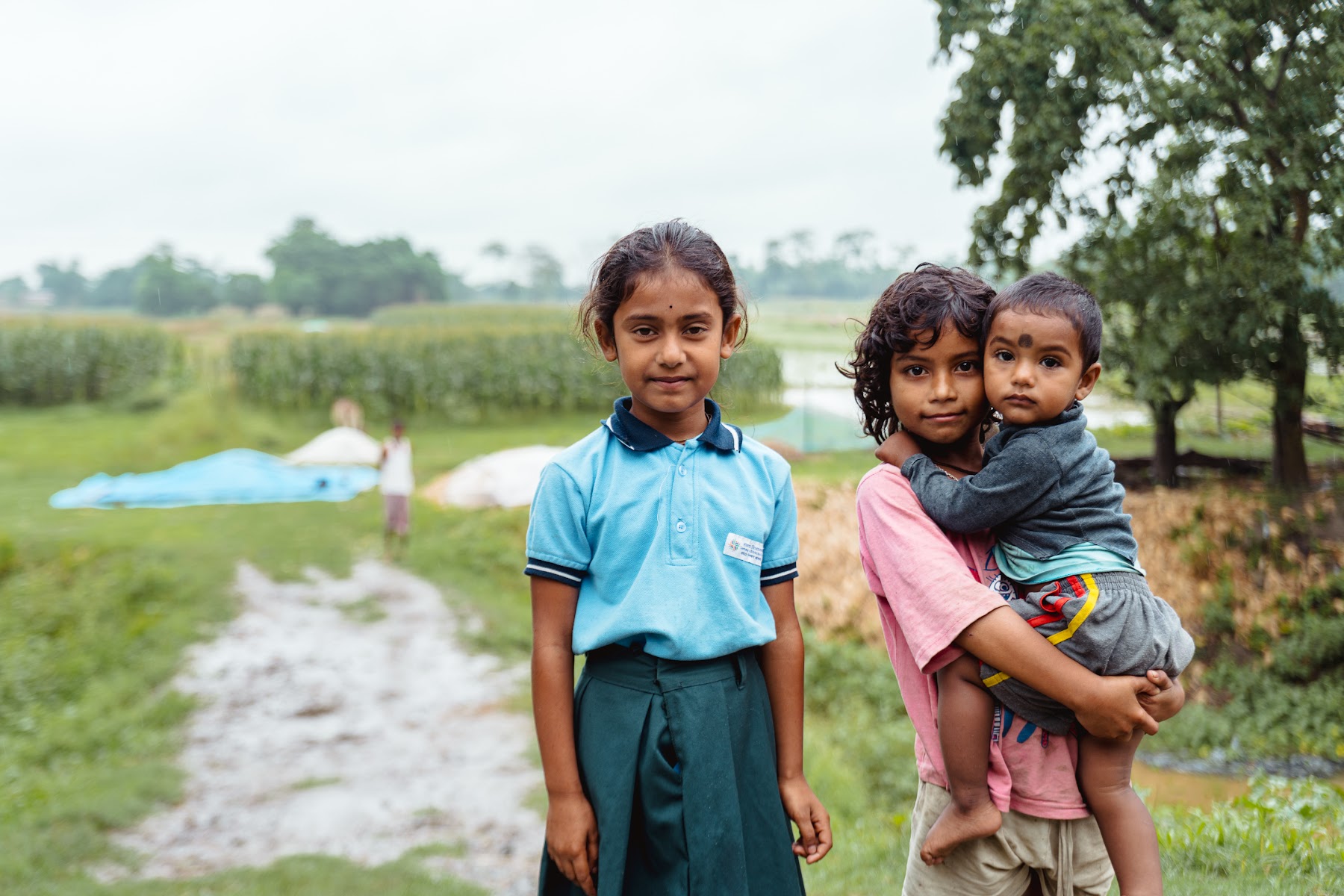
Village children on the riverbank
2007Assam Bengal Navigation
Onto the Ganges
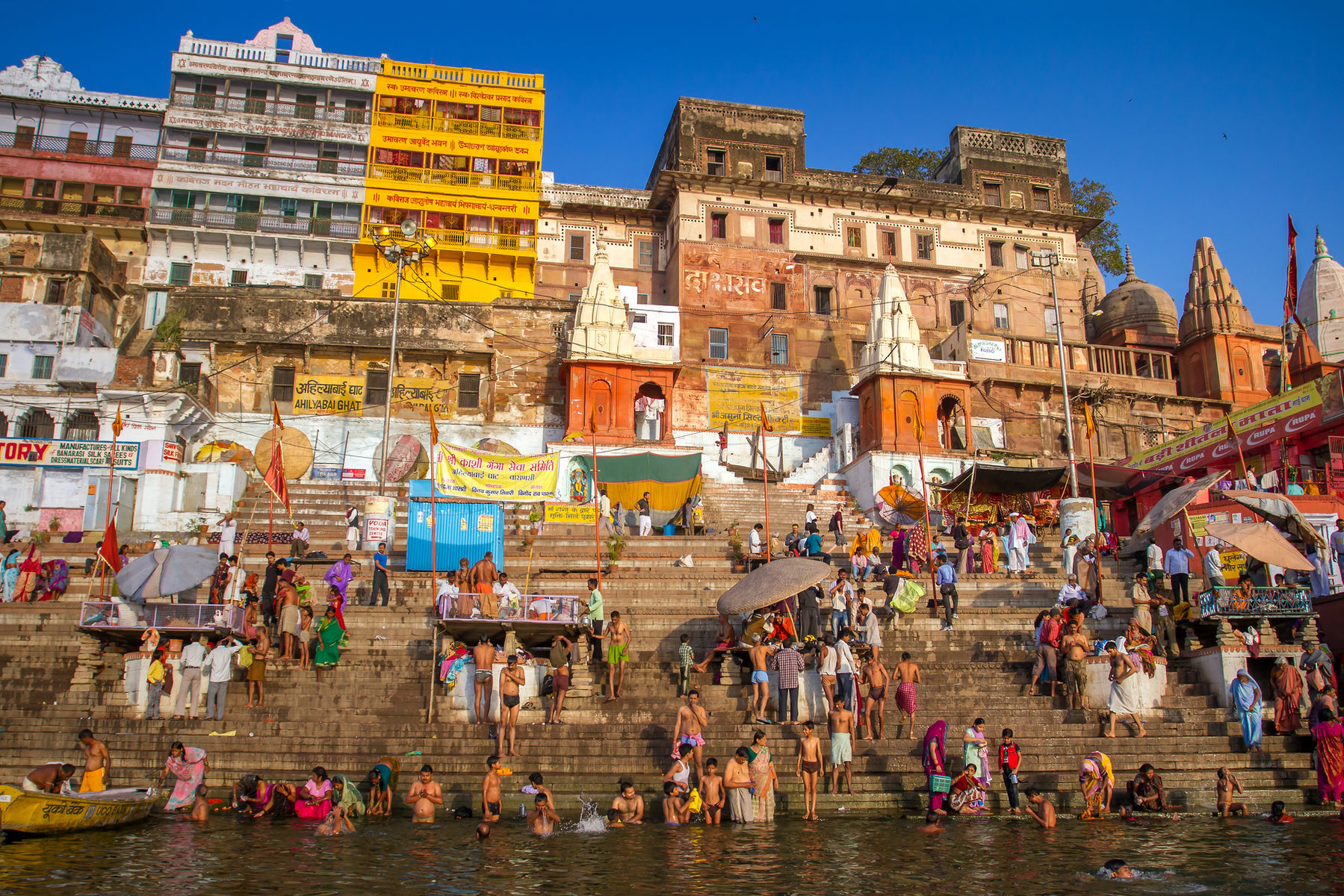
ABN becomes the first company to run cruises on the Hooghly — the Lower Ganges — between Kolkata and Farakka. The route passes Danish, Dutch, French and Portuguese river towns, the terracotta temples at Kalna, and the field at Plassey.
2016Assam Bengal Navigation
A royal visit to Diphlu
The then Duke and Duchess of Cambridge, now the Prince and Princess of Wales, stay at Diphlu River Lodge, ABN’s eco-safari lodge on the periphery of Kaziranga National Park — built on the ground where Ashish grew up.
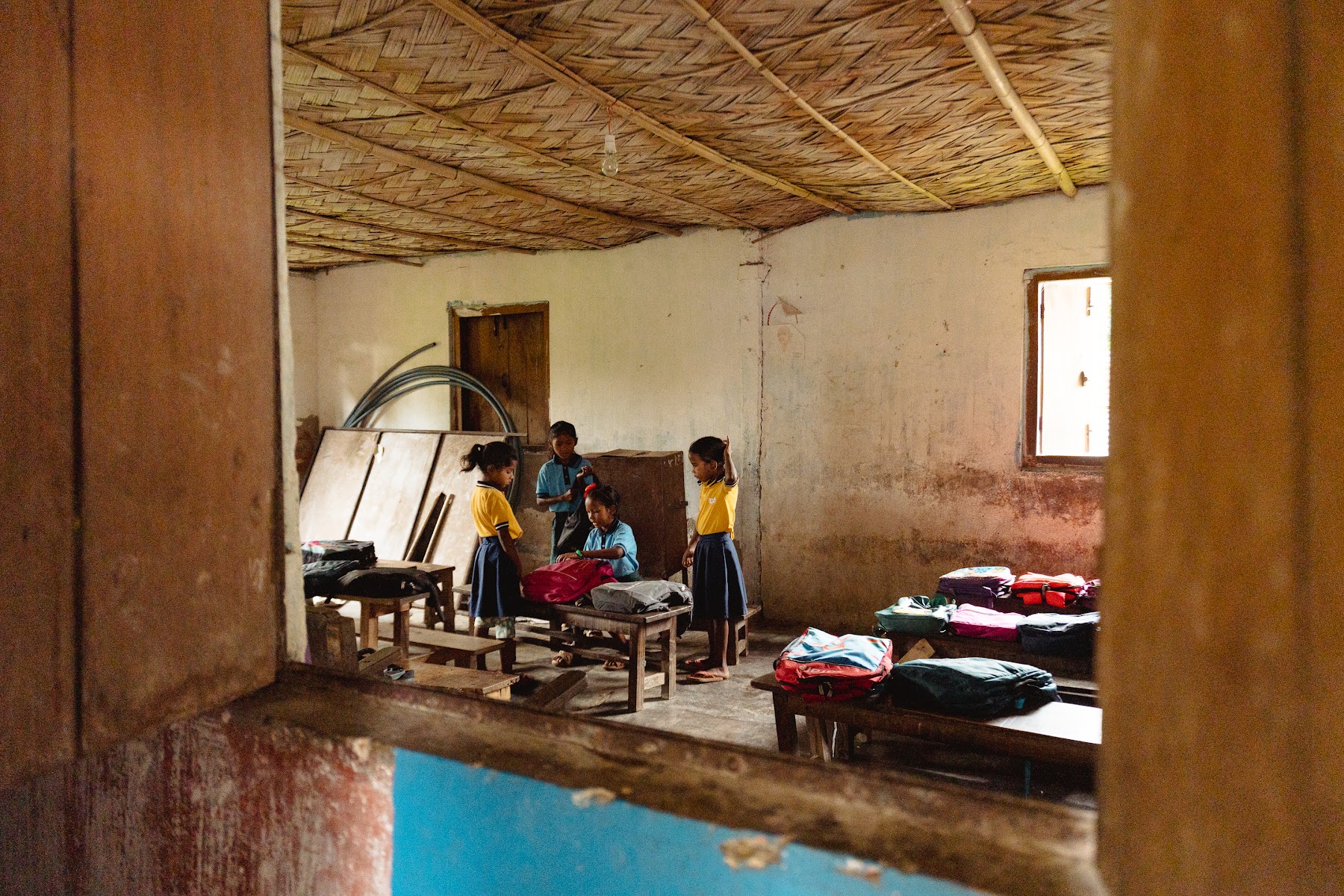
The village school at Diphlu
2021Assam Bengal Navigation
The second generation
After a decade in tourism and technology across France, Spain and the UK, Antara Phookan steps fully into the company she grew up hearing about at the dinner table. As Director of Business Development & Design she reimagines the fleet — working with local artisans and indigenous materials to bring the vernacular of Assam and Bengal aboard every vessel.
Aboard, after the redesign
2026Assam Bengal Navigation
The company today
ABN runs three cruise ships on the Brahmaputra and the Ganges, carrying 24 to 40 guests per ship. ABN also runs Diphlu River Lodge at Kaziranga, and the ABN Foundation works in villages along both rivers.
The rivers have carried people for centuries. We have sailed them since 2003.
“We are not the first people to make a living on these rivers. We are simply the ones doing it now.”
Ashish Phookan, Assam Bengal Navigation
The family
Two households, one company
ABN has never been owned by anyone but the two founding families.
Chairman
Andrew Brock
Eton, Oxford, and then a travel scholarship that took him overland to the North-West Frontier. Ran Andrew Brock Travel from 1981 to 2009. His grandfather was a Director of the Irrawaddy Flotilla Company; another forebear ran Dennys on the Clyde, which built many of the paddle steamers for the Brahmaputra and the Ganges.
First generation
Co-founder
Grania Brock
Co-founder of Assam Bengal Navigation in 2002 alongside Andrew and the Phookans, bringing the company’s English side its grounding in responsible tourism and international markets.
First generation
Managing Director
Ashish Phookan
A background in wildlife travel and in tea — a taster in both London and Assam, and still an interest in the family’s plantations and in tea broking. In 1989 he founded Jungle Travels India in Guwahati with Jahnabi. He grew up on the edge of Kaziranga, where Diphlu River Lodge now stands.
First generation
Co-founder
Jahnabi Phookan
Co-founder of both Jungle Travels India and ABN. Her work centres on creating sustainable livelihoods for rural women — the mandate she carried as National President of FICCI’s women’s wing, FLO.
First generation
Only as good as our crew
Nirmalya and Amit hold operations and finance together. Kunal and Bijoy run the cruises and the lodge. Raj, Amar, Bijita and Sobina are the ones who build your itinerary, usually after several long conversations. And then there are the crews themselves — the truest ambassadors of whatever it is that ABN has become, and the reason guests write to us years afterwards asking after them by name.
The fleet
Three ships, three names from the river’s own past
Each vessel is named for a place or a person out of the history of these two rivers — and each has been reimagined from the inside out with Assamese and Bengali craft.
Brahmaputra · Assam
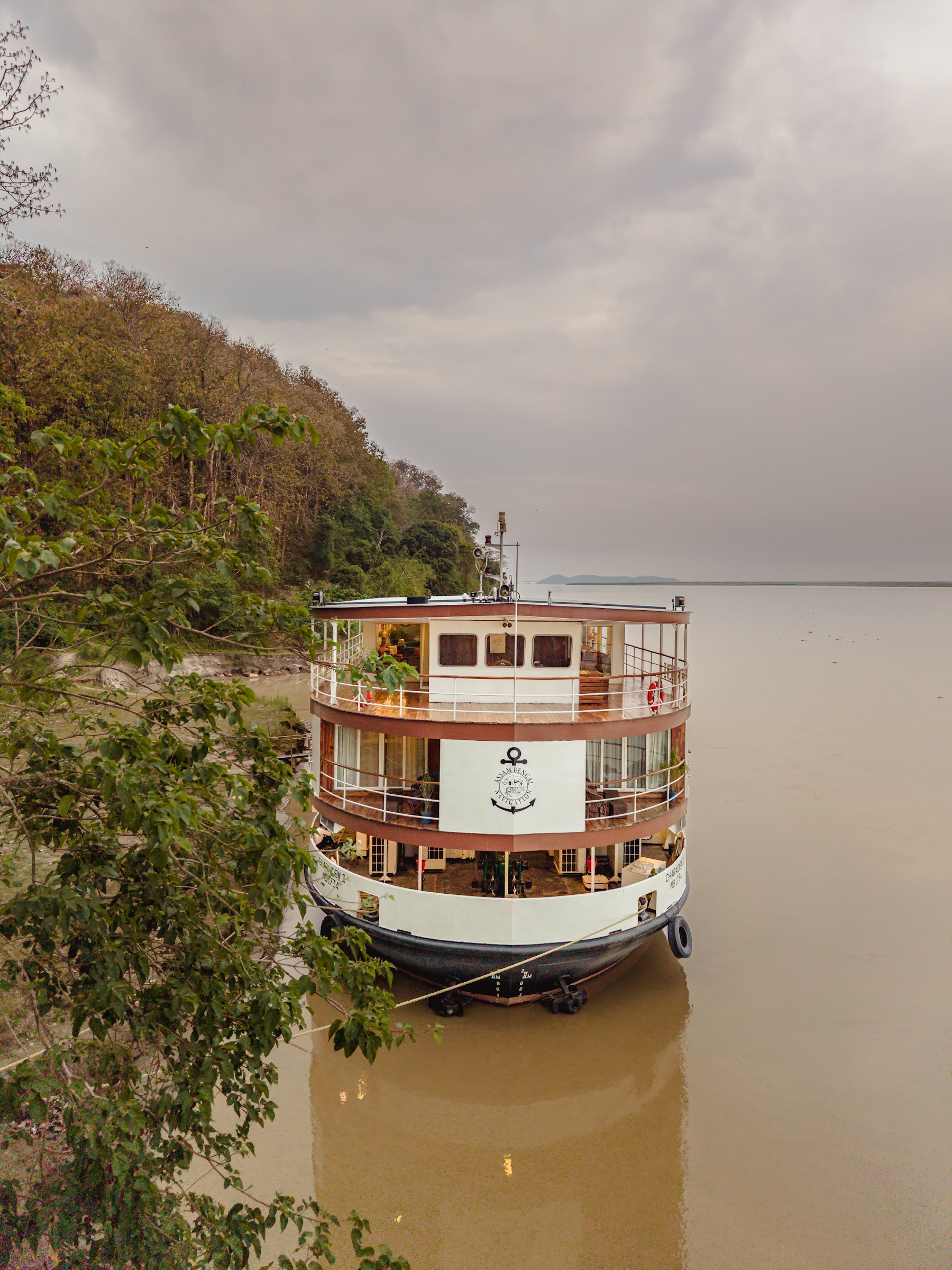
ABN Charaidew II
for Charaideo, the first Ahom capital, 1253
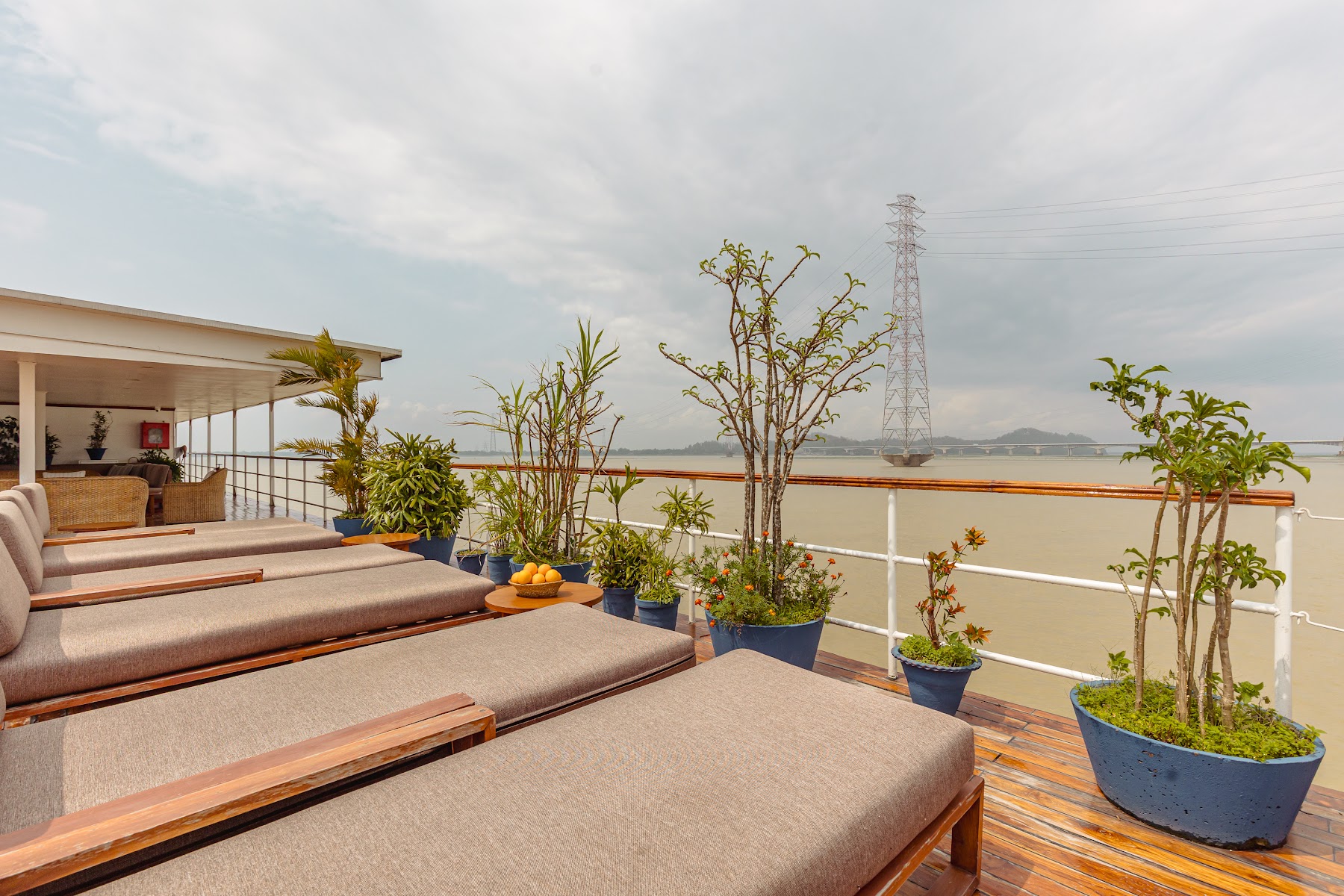
Our flagship. Eighteen river-view cabins across three classes, a teak sundeck, a gym and a spa — built with an extra-shallow draught for the Brahmaputra’s shifting channels.
Brahmaputra · Assam
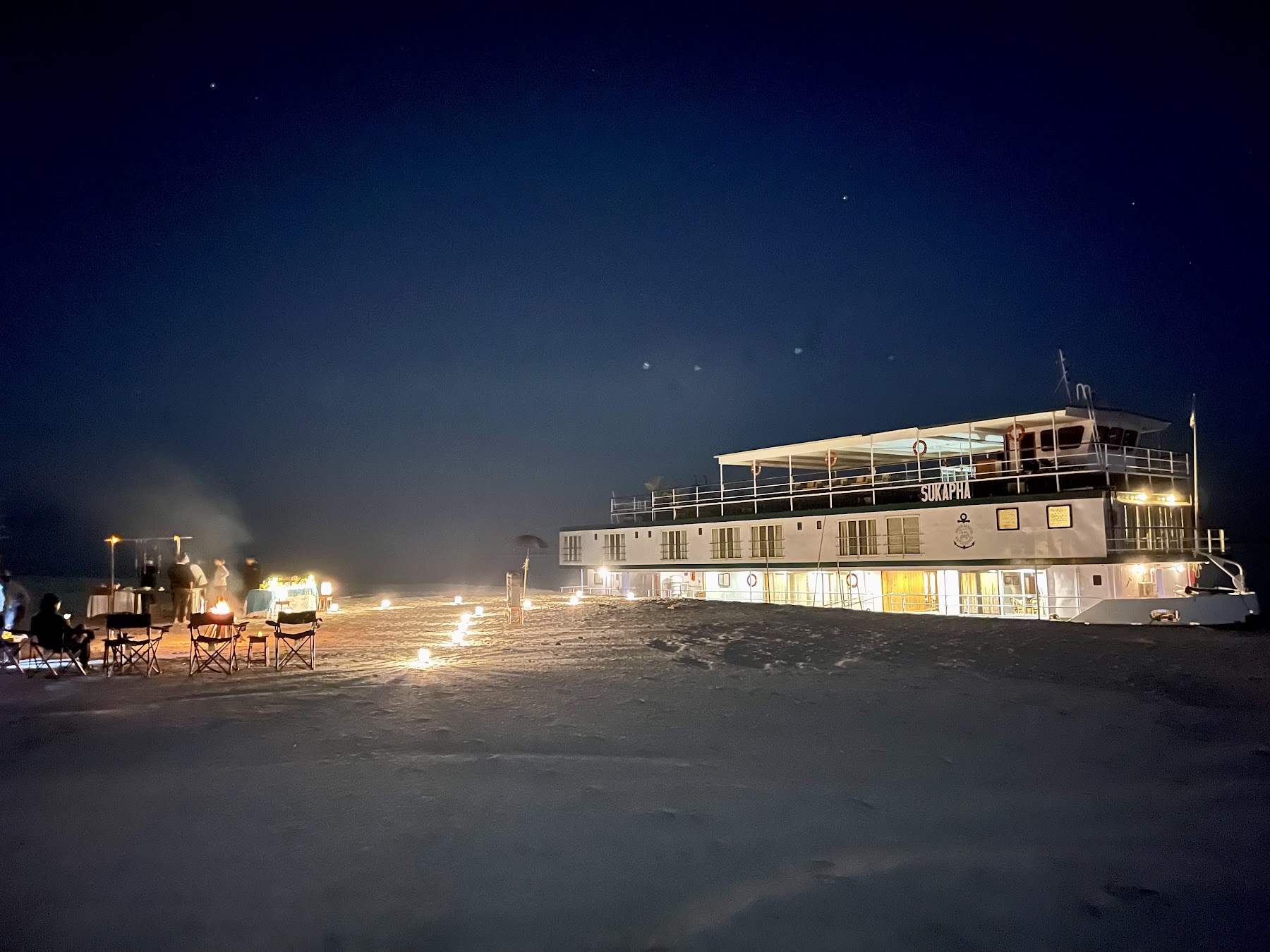
ABN Sukapha
for Sukaphaa, who crossed the Patkai in 1228
Twelve bamboo-panelled cabins for twenty-four guests, a saloon with a library and a small spa — an eco-conscious expedition ship, furnished almost entirely by Assamese artisans.
Ganges · Bengal
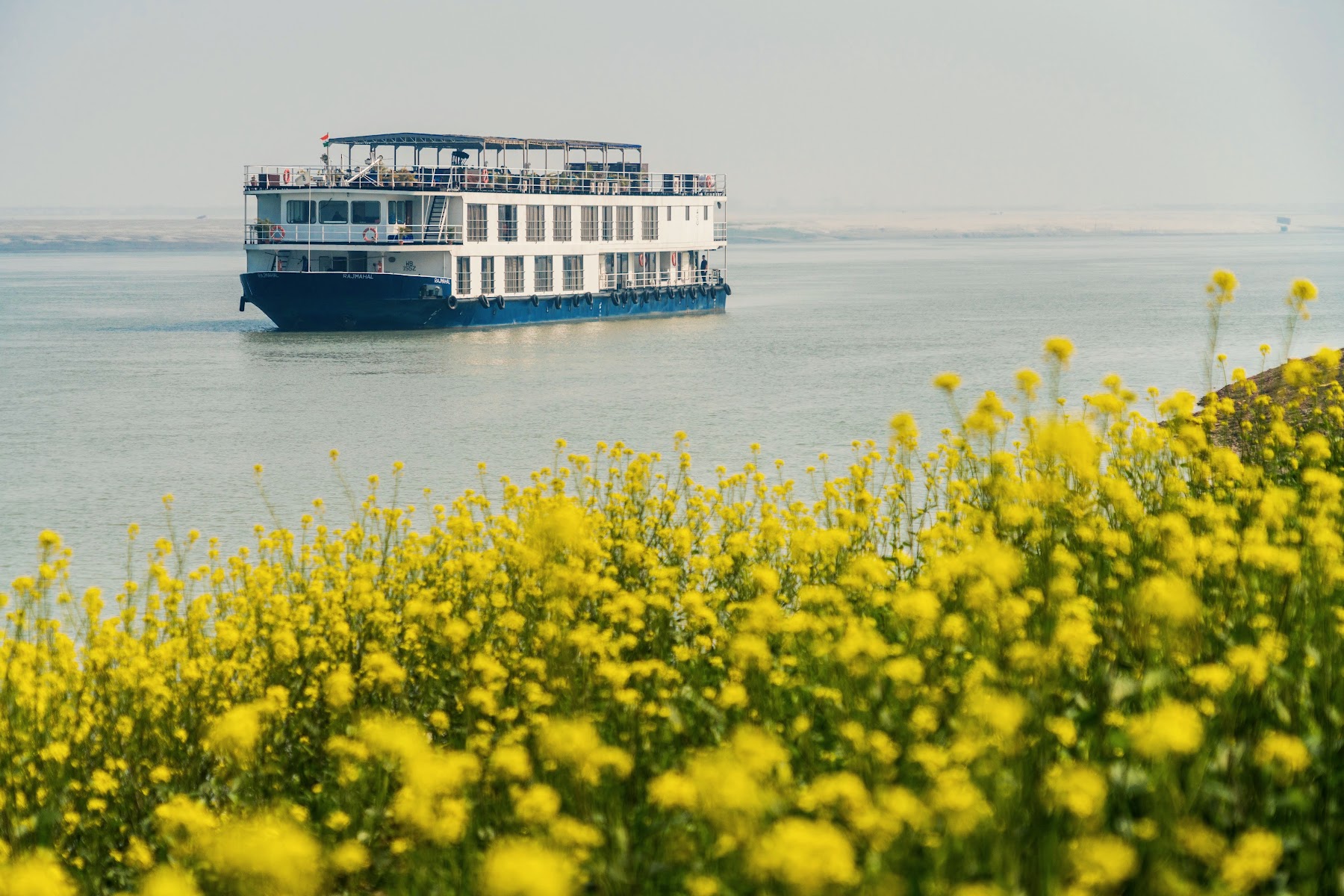
ABN Rajmahal
for Rajmahal, Mughal capital of Bengal
Fifty metres and three engines, cruising further upstream than any comparable vessel. Twenty-two cabins with French balconies and a vast canopied sundeck.
CNNAmong the world’s top 10 adventure cruises.
The GuardianAmong the world’s 40 best cruising holidays.
Indian National Tourism Award, 2004–05
Come and see
Eleven voyages, three to thirteen nights
Five voyages on each river. Brahmaputra voyages can be combined for up to 14 nights. We would be glad to help you choose.
We use essential cookies to run this site and take bookings. With your permission we would also load Tripadvisor reviews and measure how the site is used. See our privacy policy.
Speak to a river specialist
Questions about dates, cabins or combining both rivers? We are happy to help.